Welcome!
I’m Arlene Vergara
I’m a Psychiatric-Mental Health Nurse Practitioner who has spent years caring for patients across the entire lifespan, from preteens to older adults in their 80s and 90s. Before psychiatry, I worked as a dialysis nurse for six years. Honestly, I did not think much about mental health back then. I read my patients' charts, noted their depression or anxiety diagnoses, and moved on with my day.
That changed when one of my dialysis patients, a man recovering from overdoses related to substance use, started telling me about his struggle to stay clean. He told me he felt weak, that he was afraid he would go back to using, and all he wanted was to come home to his family and watch his kids grow up. I started really listening after that. I started hearing how depression and anxiety were quietly running my patients' lives underneath their medical conditions. Around that same time, a family member died by suicide, and a close relative in the LGBTQ community was struggling deeply because no one around her seemed to understand. I asked myself, am I going to keep doing the same job for the rest of my life, or am I going to make a real change?
I chose psychiatry. While I was enrolled in my PMHNP program, I took a job in inpatient psychiatry so I could understand this world as fully as I could. I went on to work in a partial hospitalization program treating both adults and children, and today I work in a community health clinic with some of the most complex cases you can imagine. I attend conferences regularly to keep sharpening my clinical judgment, because the people who sit across from me deserve a provider who is still learning.
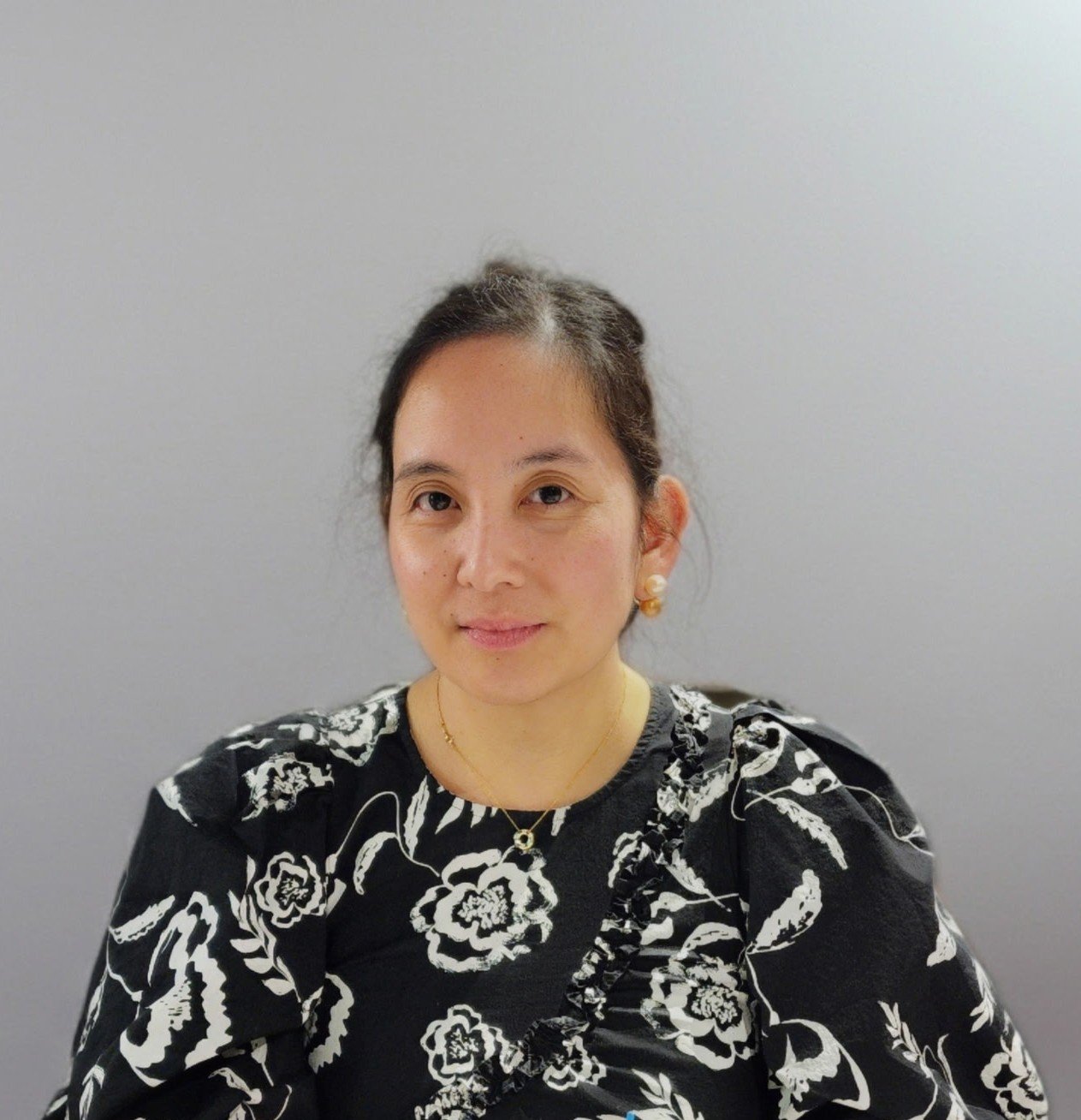
My Story
What I bring to every visit is something I learned long before nursing school. I grew up in the Philippines, one of four siblings, and we lost our dad when I was nine. My mom worked hard so we could survive, and there were days I went to school without eating. I sold snacks to my classmates when the teacher was not looking. I worked for a family in exchange for an education. When my husband offered to sponsor my nursing studies, I took it seriously, because I knew exactly how much that money meant. If I had been born into a comfortable life, I do not think I would be this resilient, or this resourceful, or this aware of how heavy life can feel for someone who has run out of options. I value the money I earn. I value the people who helped me get here. And I bring that same posture of respect and care into every appointment.
My culture shapes how I practice, too. In my country, we take care of our elders. We live with our parents, our in-laws, our siblings. Compassion is not something we perform, it is the way we were raised. When patients see my last name and assume I might be Hispanic, then I tell them I am from the Philippines, something opens up between us. We talk about our families, our traditions, the way our cultures view mental health, and what it feels like to come from a place where asking for help was never the norm. Many of my elderly patients have struggled silently for sixty or seventy years before they ever walked into a psychiatric office. I understand why. And I understand how to meet them where they are.
What surprises my patients most about working with me is how thorough I am. I do not rush. I will sit with you and walk through every medication, every side effect, every interaction, every option, until you actually feel comfortable. I print out the medication details so you can read them at home. I follow up with phone calls myself when something needs more explanation. I have had patients tell me, "You are the only provider who has ever told me this." That is not a compliment I take lightly. It tells me how many people have been pushed through five and ten minute appointments by providers who are watching the clock. I am not counting hours when I come to work. I pray before my shift, and I ask to be the kind of clinician who actually helps. If I need to give up my lunch to call you back, or stay late so the patient sitting in front of me gets the time she deserves, then that is what I do. Sometimes you have to sacrifice in order to provide the quality of care your patients actually deserve.
Outside of work, I am a wife and a mom, and my family knows me as the one who loves to cook for everyone and pulls us together for our next trip. I am also, somewhat famously, an extreme couponer. I learned to coupon when I first came to the U.S. as an immigrant, while I was waiting on my paperwork and could not yet work. I would clip, stack, and resell deals so I could send a little money back to my family in the Philippines without asking my husband. I still do it today. It started as survival, and it became something I love.
Everything I have lived through, the loss, the struggle, the moving across the world, the watching loved ones suffer in silence, all of it sits with me when I am in a session with you. I do not just understand mental health from a textbook. I have lived it from both sides. And that is exactly why I am building this practice the way I am, so I can give you the kind of care I know my patients deserve, without the limitations of a system that keeps providers rushed and patients unheard.

I do not just understand mental health from a textbook. I have lived it from both sides: and that is exactly why I show up the way I do, because the people who sit across from me deserve a provider who is still learning, still listening, and never counting the hours.
CREDENTIALS
Psychiatric-Mental Health Nurse Practitioner (PMHNP)
Six years of clinical experience as a dialysis nurse prior to psychiatry
Inpatient psychiatric nursing experience during PMHNP training
Clinical experience in partial hospitalization programs treating adults and children
Current Nurse Practitioner in a community health clinic, serving patients across the lifespan
Ongoing professional development through psychiatric conferences and continuing education